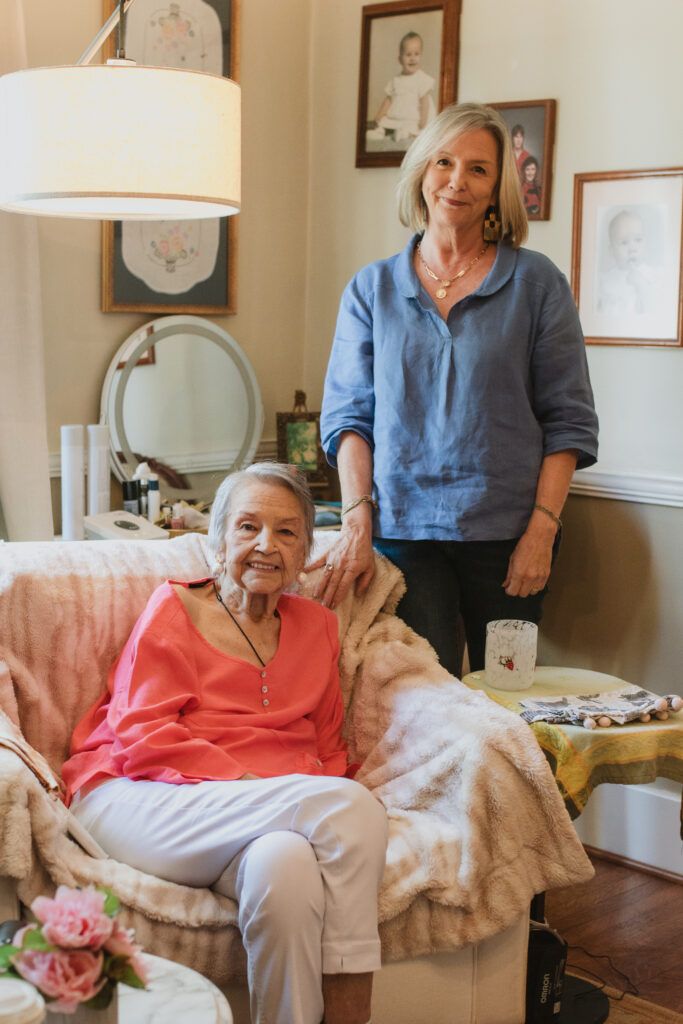



Beth spent years helping families understand hospice. Then her own mother needed the same comfort, guidance and care.
Beth knew the signs families often wrestle with before calling hospice: more hospital visits, growing weakness, difficult symptoms and the quiet fear of not knowing what comes next.
In her role as Outreach Manager for Hosparus Health Western Kentucky, she had helped many caregivers understand that hospice care is not about giving up. It is about adding comfort, guidance and practical support when serious illness becomes harder to manage alone. She had explained that support countless times to other families. Then her own family needed it.
When Beth’s mother, Dorothy, began losing weight, facing worsening heart failure and returning to the hospital again and again, the decision she had helped others understand suddenly became deeply personal. Beth was no longer only the professional offering guidance. She was a daughter watching someone she loved decline and wondering, like so many caregivers do, what the next right step should be.
Even with everything she knew professionally, the decision felt personal.
“When it’s your own family, you still question yourself,” Beth said. “You still wonder if you’re doing the right thing.”
That experience helped Beth understand more deeply what so many caregivers feel before they reach out for hospice support: they are not giving up. They are trying to make the most loving decision they can with the information they have.
For Beth and her family, calling Hosparus Health was not the end of care. It was the beginning of having more support.
“It did not mean giving up at all,” Beth said. “What it meant was having the best quality of life while we could.”
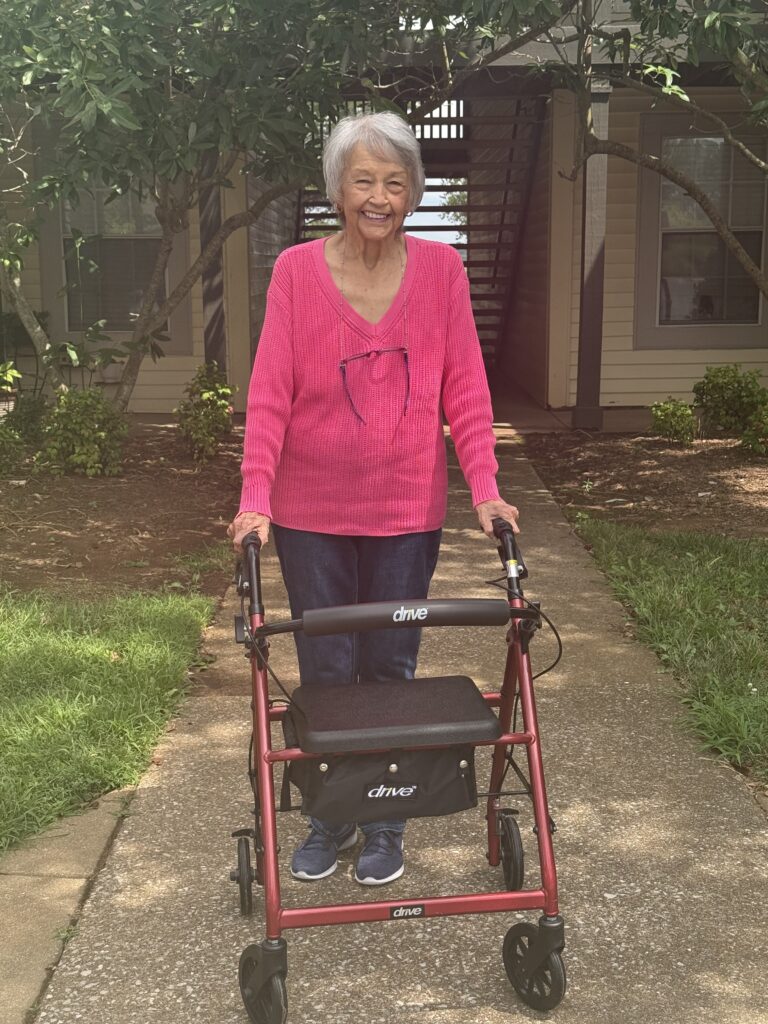
Today, after about 16 months in hospice care, Dorothy remains at home, still receiving support and sharing meaningful time with her family.
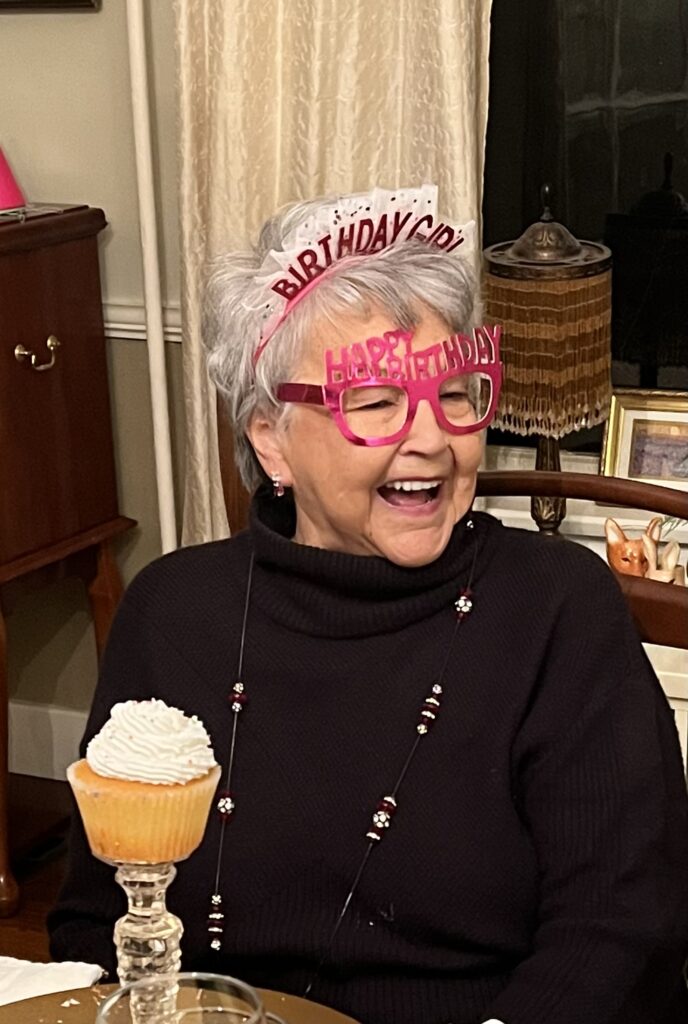
Nurses help manage Dorothy’s symptoms. Aides support her daily needs with dignity. A volunteer visits like a friend. Her care team listens, explains and helps the family understand what is happening and what to expect. The support has helped Dorothy remain surrounded by the people, routines and simple comforts that matter most — morning coffee, a bowl of oatmeal, family visits and conversations with people who make her feel seen.
“I enjoy the people that come,” Dorothy said. “They’re a big help to me, but still we have a friendship.”
For Beth, hospice has brought reassurance.
Beth said. “Having trained eyes and ears and hands to come in and reassure us that we’re doing the right things and teaching us — it’s been a godsend.”
Beth describes the time hospice has helped make possible as “immeasurable.”
Now, when Beth talks with other caregivers, she speaks not only from professional experience, but from personal experience too. She knows many families wait because they think hospice is only for the final days of life, are unsure whether their loved one is ready or feel the weight of making the call. And she wants them to know they do not have to wait for a crisis. Reaching out earlier gives families more time to ask questions, understand their options, manage symptoms and receive support before things feel overwhelming.
“I would tell any family that has a family member in declining health to not wait,” Beth said. “It does not mean that you’re giving up to ask for hospice services. It simply means that you see that you can use help.”
You do not have to be certain your loved one qualifies.
You do not have to have all the answers.
You do not have to carry every question alone.
If you are wondering whether hospice may be the right next step, you do not have to make that decision alone. Every family’s situation is different, and a conversation can help you understand what support is available, when it may be time and what options make sense for your loved one.
For Dorothy, that first conversation brought friendship, comfort and care that felt like family. For Beth, it brought peace of mind.
Editor’s Note: Since this story was originally published, Dorothy peacefully passed away surrounded by the love and support of her family. Beth remains grateful for the comfort, dignity and support hospice provided throughout her mother’s journey.
Talk with Hosparus Health about your own unique situation. If you are in Western Kentucky, call 270-326-4660. If you are outside the Western Kentucky area, call our main number at 1-800-HOSPICE. Whether your loved one is declining, needing more help at home or returning to the hospital more often, our team can answer your questions and help you explore the care, comfort and support that may be available.